Introduction to sulfur transfer agent
Sulfur transfer agent is a chemical additive used in the petroleum refining process, especially in the catalytic cracking (FCC) process. The following is a detailed explanation of sulfur transfer agents:
1. Definition and function
Definition: Sulfur transfer agent (SOx transfer agent) is a chemical additive that oxidizes SO2 to SO3 and further converts it into sulfate.
Function: The sulfur transfer agent converts the sulfur in gasoline into H2S gas during the FCC process, thereby reducing the sulfur content of gasoline.
2. Process of action
The action process of sulfur transfer agent in the FCC reaction-regeneration system can be divided into two main stages:
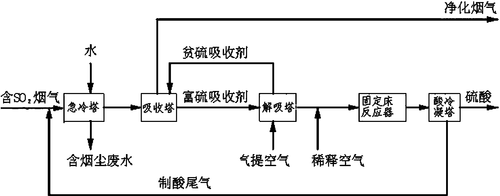
Oxidation and absorption stage: In the oxidation atmosphere of the regenerator, the sulfur transfer agent oxidizes SO2 to SO3, and chemically adsorbs SO3 to form metal sulfate.
Decomposition and release stage: The sulfated sulfur transfer agent enters the FCC reactor together with the FCC regeneration catalyst. Under the action of low carbon hydrocarbons, hydrogen and stripping steam, the metal sulfate is reduced to release H2S, completing the " sulfur” transfer process.
3. Classification and properties
Classification: There are two types of sulfur transfer agents, namely solid metal salt additives and liquid metal salt additives. Liquid metal salt additives are made by impregnating liquid solid metal salts onto the additive carrier by spraying.
Properties: The sulfur transfer agent needs to have high activity and stability. The sulfate formed should be stable under the high temperature conditions of the regenerator, but must quickly decompose and release H2S under the reactor conditions.
4. Application and effect
Application: Sulfur transfer agent is suitable for reducing the sulfur content of catalytically cracked gasoline in refineries. It can convert sulfide in catalytically cracked gasoline into H2S or SOX, and it can also convert SOX in flue gas into H2S.
Effect: The sulfur transfer agent has no toxic side effects on the cracking catalyst, does not affect product distribution and gasoline octane number, and the desulfurization rate of gasoline and diesel can be increased by about 15-40% and 10% respectively.
5. Usage and precautions
Usage: The sulfur transfer agent is a homogeneous liquid with low viscosity and good water solubility. It can be injected into the reactor along with the catalytic cracking feed oil, or it can be injected separately into the reactor or regenerator. The filling volume and filling speed can be flexibly adjusted.
Note: The sulfur transfer agent must be tightly packed during storage and transportation to avoid exposure to sunlight and open flames. Use clean and dry packaging containers, such as 200kg iron drums.
6. Summary
Sulfur transfer agent is an effective additive for reducing the sulfur content of gasoline in the petroleum refining process and has broad application prospects. Through its unique process of oxidation, absorption, decomposition and release, sulfur transfer agents are able to efficiently reduce sulfur content in gasoline while maintaining harmless effects on the cracking catalyst and product properties.